
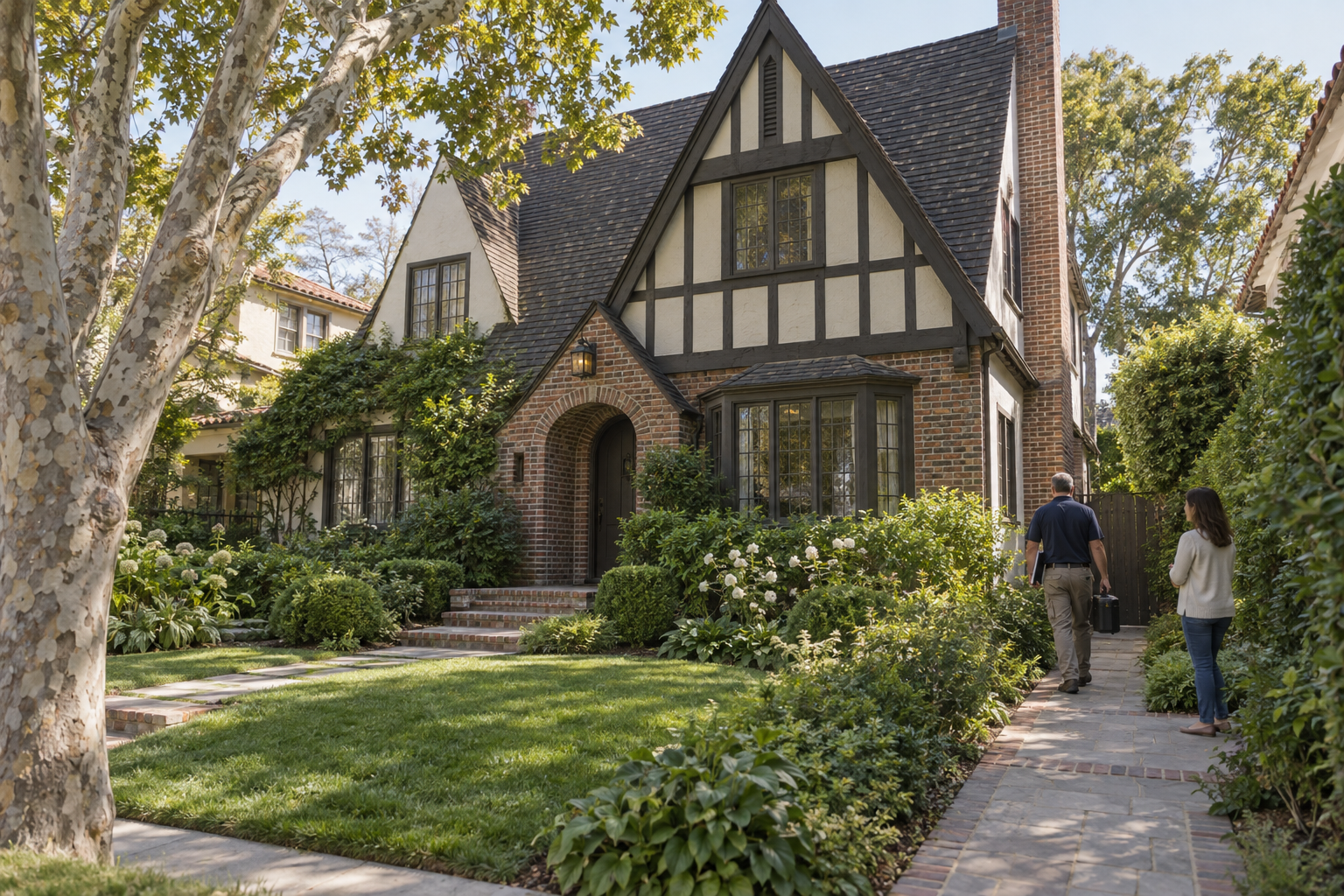
What Is a Retrofit Inspection in Los Angeles, and Do You Need One?
A retrofit inspection in Los Angeles is a check of a home’s basic life-safety and water-conservation features — smoke detectors, carbon monoxide detectors, a seismic gas shut-off valve, a braced water heater, and low-flow toilets and showerheads — required by the city before a residential property can legally change ownership. If you’re selling a single-family home or condo in the City of Los Angeles, you’ll almost certainly need one, regardless of the home’s age or condition.
Two Different Things Get Called “Retrofit” in LA — Here’s the Distinction
This is where a lot of confusion starts, so it’s worth clarifying upfront: Los Angeles has two entirely separate programs that both use the word “retrofit,” and they apply to different types of buildings.
- Point-of-sale retrofit compliance applies to essentially every residential property in the City of Los Angeles at the time of sale — this is what most home sellers mean when they hear the term, and it’s the focus of this article.
- Mandatory seismic soft-story retrofit is a separate, much larger structural program under City Ordinance 183893, requiring specific pre-1978 multi-unit apartment buildings with weak first floors (like tuck-under parking) to be structurally reinforced. This applies to certain apartment buildings, not typical single-family homes, and is administered by LADBS’s Soft-Story Retrofit Program.
If you’re selling a single-family home, the soft-story program almost certainly doesn’t apply to you — but the point-of-sale requirements below do.
What LA’s Point-of-Sale Retrofit Requirements Actually Cover
According to the Los Angeles Department of Building and Safety’s official requirements for selling property, sellers of residential property in the City of Los Angeles must bring the home into compliance with several specific safety and conservation standards before or at close of escrow:
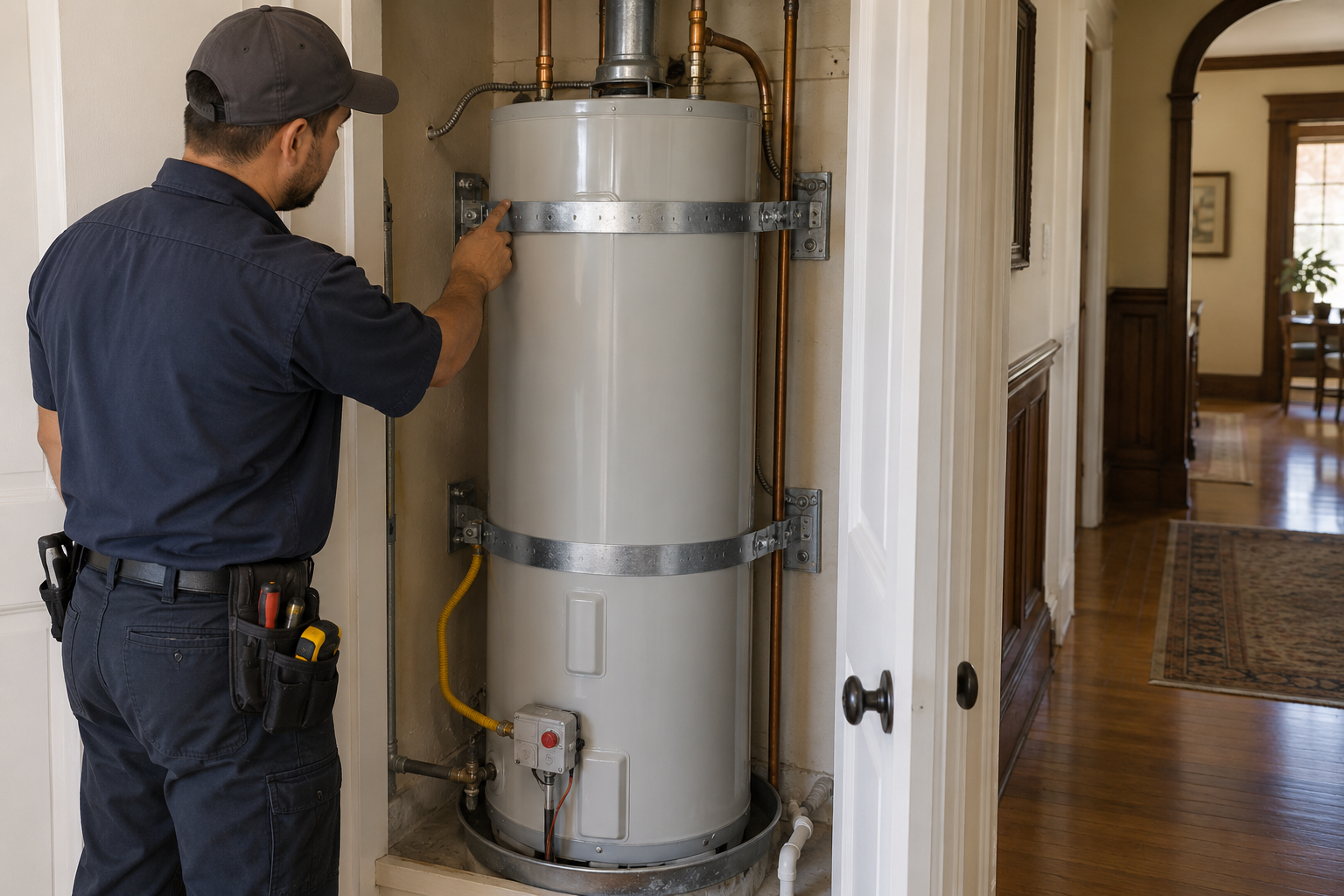
- Water heater seismic bracing. California Health and Safety Code Section 19211 requires all residential water heaters to be braced, anchored, or strapped to resist falling during an earthquake, and requires the seller to certify in writing to the buyer that this has been done, according to the official text of the statute. This is a statewide law, not just a Los Angeles requirement.
- Smoke detectors, mounted in each bedroom and in hallways leading to sleeping areas, required since 1980 under the Los Angeles Municipal Code.
- Carbon monoxide detectors, required near sleeping areas in any home with a fossil fuel-burning appliance, fireplace, or attached garage.
- A seismic gas shut-off valve (SGSOV) or excess flow shut-off valve (EFSOV), required on the gas meter of any building with fuel gas piping.
- Low-flow water conservation fixtures — showerheads rated at a maximum of 2.5 gallons per minute, and toilets that flush no more than 1.6 gallons — under the city’s Water Conservation Ordinance.
- A Report of Residential Property Records (Form 9 / RPR), a separate city report the seller must obtain and deliver to the buyer before entering into a sale agreement or closing escrow, per LA Municipal Code Section 96.300. As of this writing, the RPR carries a city fee of $70.85 per report.
Who Handles It and When It Happens in Escrow
In practice, most of this work is coordinated well before closing. A licensed retrofit inspection company — often the same type of contractor who handles smoke detector and water heater compliance work city-wide — visits the property, verifies or installs the required items, and issues a certificate of compliance that gets delivered into escrow. This typically happens early in the transaction, alongside the general home inspection, so there’s time to address anything missing before the close-of-escrow deadline.
Because several of these items (the gas shut-off valve installation, in particular) require a licensed plumber and a permit, it’s worth starting this process as soon as a home goes into escrow rather than waiting until the final days before closing.
What Happens If You Skip It
Skipping retrofit compliance isn’t really an option if you want a clean close of escrow in Los Angeles — most title and escrow companies won’t close without proof of compliance, since the certification requirements are tied directly to the municipal code and, in the case of water heater bracing, state law. Beyond the legal requirement, these are also inexpensive, genuinely worthwhile safety upgrades: a functioning smoke detector, a braced water heater, and a gas shut-off valve are the kind of things you’d want in your own home regardless of whether the law required them.
Frequently Asked Questions
Does every home seller in Los Angeles need a retrofit inspection? Yes. Point-of-sale retrofit compliance — covering smoke detectors, carbon monoxide detectors, water heater bracing, a seismic gas shut-off valve, and low-flow water fixtures — applies to essentially all residential property sales in the City of Los Angeles.
Is a retrofit inspection the same as the mandatory soft-story seismic retrofit program? No. The soft-story program is a separate structural requirement that applies to certain pre-1978 multi-unit apartment buildings with weak first floors. Most single-family home sellers are only dealing with point-of-sale retrofit compliance, not the soft-story program.
How much does a retrofit inspection cost in LA? The inspection and required upgrades themselves (smoke detectors, water heater straps, low-flow fixtures) are generally inexpensive, though installing a seismic gas shut-off valve requires a licensed plumber. Separately, the city’s Report of Residential Property Records carries its own municipal fee.
Who is responsible for water heater bracing when selling a home in California? Under California Health and Safety Code Section 19211, the seller of any real property containing a water heater must certify in writing to the buyer that the water heater has been properly braced, anchored, or strapped — this is a statewide requirement, not specific to Los Angeles.
Sources
- Los Angeles Department of Building and Safety — Requirements When Selling
- California Health and Safety Code Section 19211 — Water Heater Bracing
- LADBS — Mandatory Soft-Story Retrofit Program
This article is for general educational purposes and isn’t a substitute for advice from LADBS, a licensed contractor, or your escrow company about your specific property.
About The Bienstock Group:
The Bienstock Group, led by Sheri Bienstock, is an expert real estate group in Los Angeles, Hancock Park, and Miracle Mile. Sheri is committed to her clients and will invest all her effort to get you the best results possible. Sheri has 235+ five-star reviews on Zillow, and has been ranked #1 listing agent in 90036 since 2009 and in Hancock Park since 2016.
